Maize Insistence :
Repertoires of Interdependencies in the Milpas of Santo Domingo Tomaltepec
El maíz insiste: repertorios de interdependencias en las milpas de Santo Domingo Tomaltepec
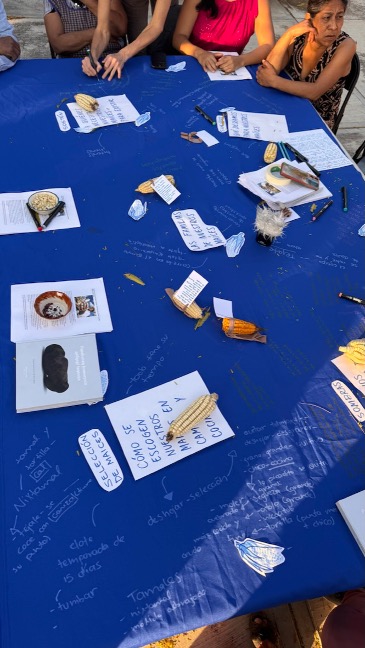
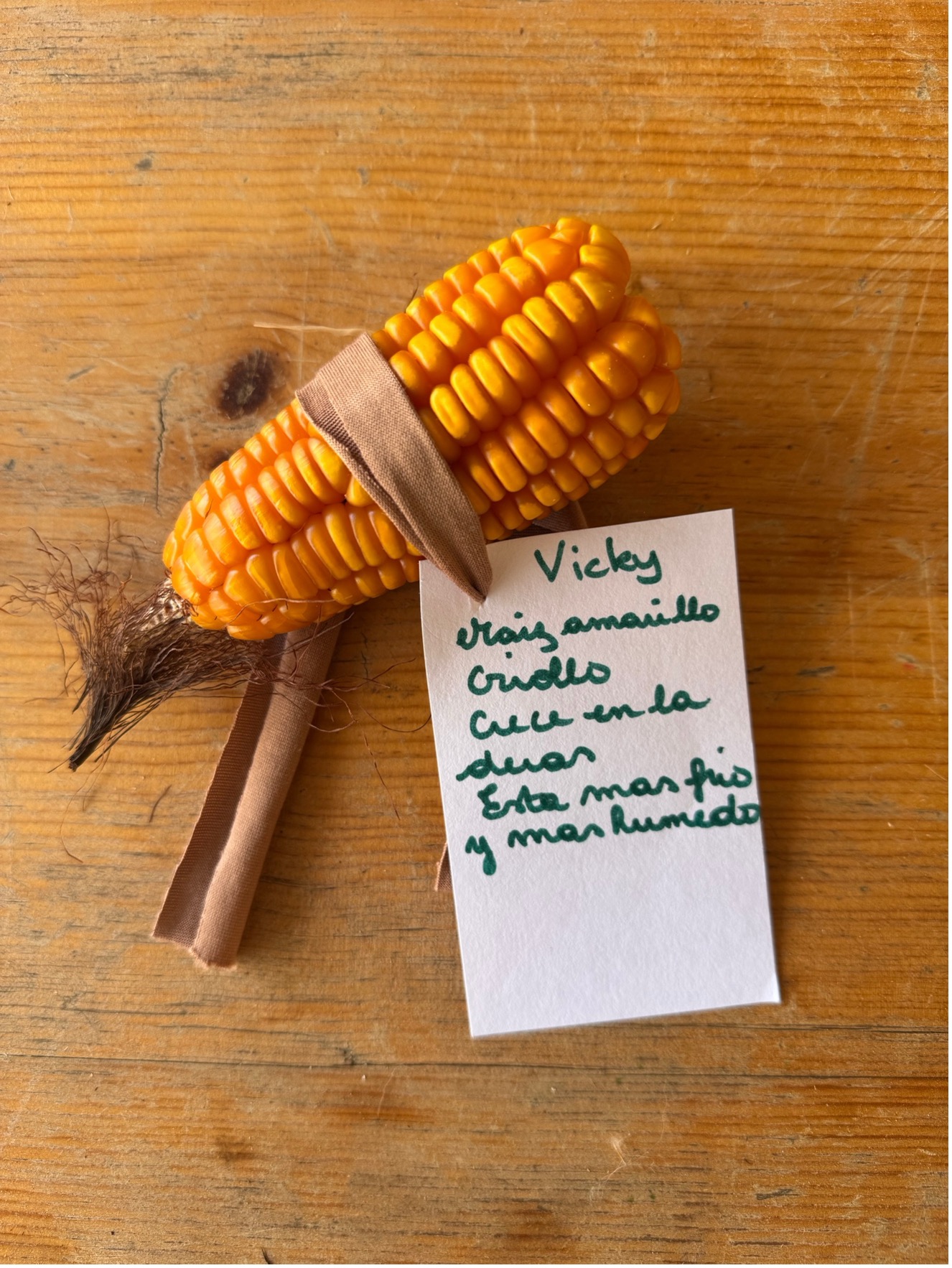
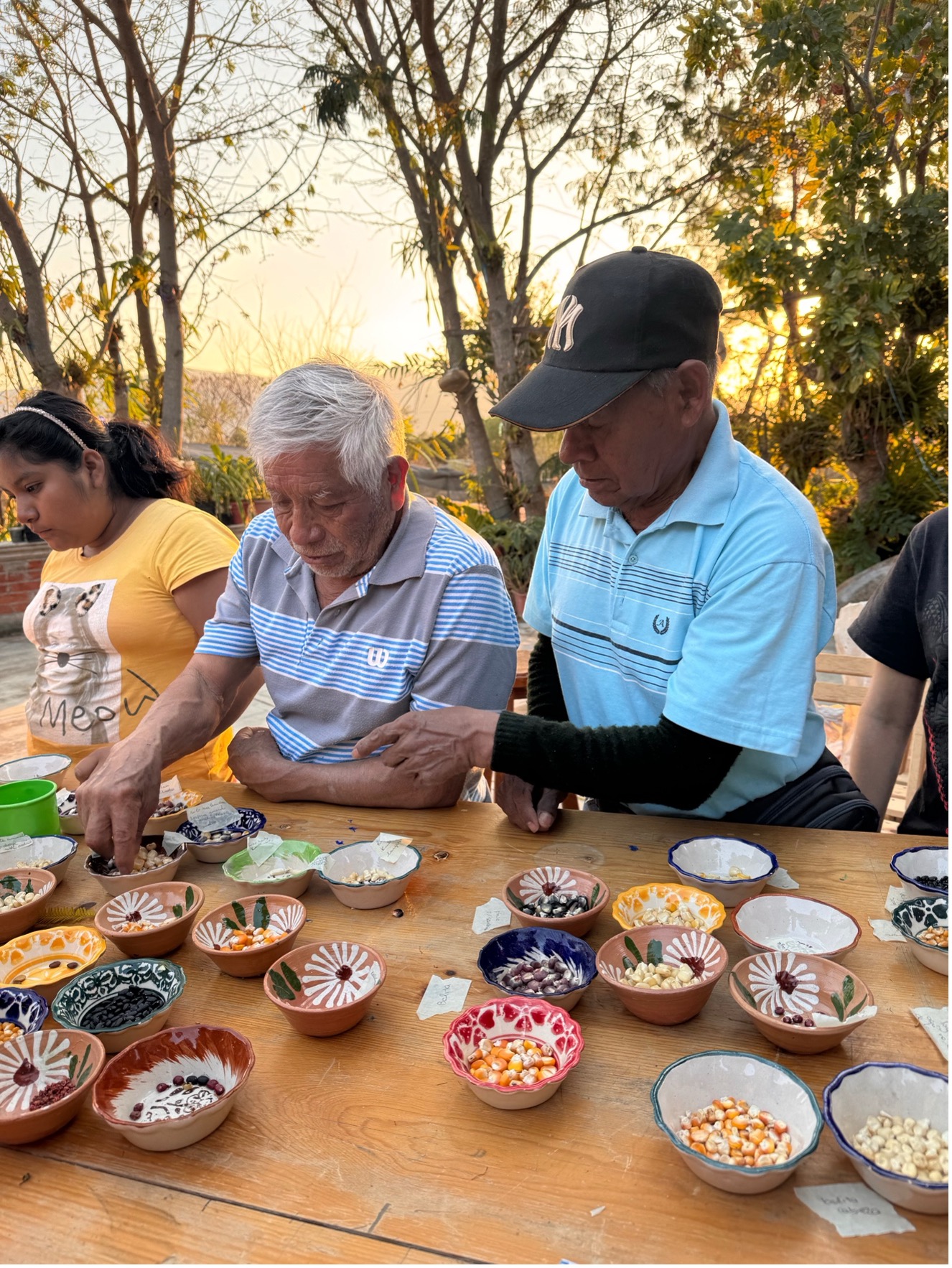
During February and March 2026, the projects SeedsValues and Cocina Colaboratorio held a series of participatory workshops and encounters with cultivators, cooks and other community members in Santo Domingo Tomaltepec, in the Central Valleys of Oaxaca, to explore the knowledge practices that sustain native maize. These endeavours included an event focused on creating a collective map of our native maize, bringing together stories, agricultural practices and community concerns around seed care. Another gathering explored the many ways maize is recognised, named and understood through Zapotec language and everyday farming practices, highlighting the relationships between language, biodiversity and knowledge fostered in kitchens and plots. A third workshop centred on a collective discussion about how participants wanted their maize, knowledge and stories to be represented in a community publication. Together, these encounters created a space where cultivators’ knowledge, culinary practices, Zapotec language and academic research could enter into dialogue, while reflecting on the challenges facing native maize today, including changing rainfall patterns, economic pressures and the transmission of maize knowledge across generations.
The book emerging from this process is therefore conceived not simply as an archive of local knowledge, but as a collective creation shaped through dialogue with the community. Bringing together local stories, farming and culinary practices, Zapotec language, illustrations and reflections on the diverse native maize cultivated in Santo Domingo Tomaltepec, the publication seeks to reflect the many relationships that give life to the milpa. In this sense, the book aims to foster intergenerational learning, strengthen community memory, and recognise the shared authorship and ongoing care of the people who continue to cultivate native maize and nurture this biocultural landscape.